Patchwork Letter L: A Stylish Accent for Real Projects
As a designer who spends more time at the hoop than away from it, I approach every new machine embroidery design with a critical eye. It is not enough for a file to look good on a screen; it must translate beautifully into thread, withstand the tension of the fabric, and hold up under the scrutiny of a paying customer. Recently, I evaluated the Patchwork Letter L, a design that immediately caught my attention for its potential in creating unique, personalized items. This is not just a standard alphabet character; it is a stylistic statement that bridges the gap between traditional quilting aesthetics and modern embroidery applications.
First Impressions and Visual Personality
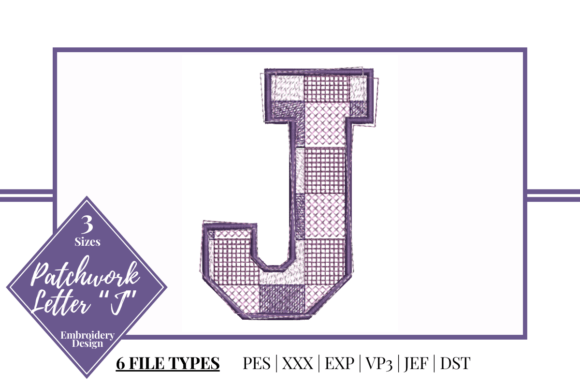
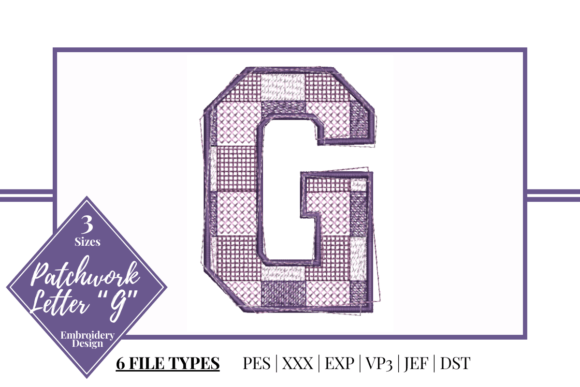
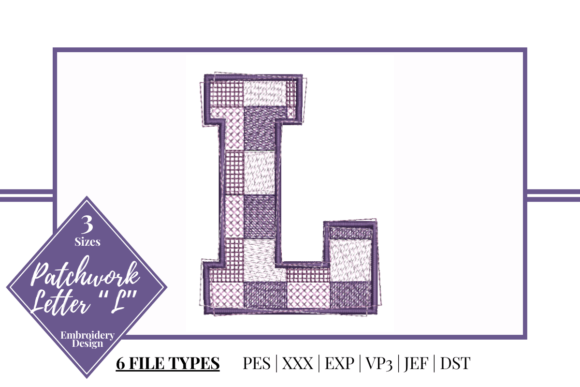
When I first loaded the preview of the Patchwork Letter L, the mood it projected was warm, inviting, and distinctly handmade. The "patchwork" concept suggests a collage of textures and colors, which is a wonderful way to add a stylish accent to home decor, outfits, and accessories. Unlike a solid block letter that can sometimes feel heavy or industrial, this design breaks the shape down into smaller, manageable segments. This segmentation creates visual interest and allows the eye to travel across the letter, appreciating the interplay of different thread colors.
The layout feels balanced, avoiding the clutter that often plagues complex fill patterns. For a designer, this is crucial. It means the design has breathing room. The visual personality is playful yet structured, making it an ideal candidate for projects that need a touch of whimsy without sacrificing professionalism. Whether you are aiming for a rustic farmhouse vibe or a colorful, eclectic boutique look, this letter adapts well because its core strength lies in its versatility.
Real-World Application: The Custom Tote Bag Scenario
To truly understand the value of this embroidery file, I imagined a specific real-life scenario: preparing a custom embroidered tote bag for a local craft fair. Tote bags are a staple for any Etsy seller or small shop owner, but they can be tricky. The canvas fabric is thick, and the surface area is large, demanding a design that commands attention without getting lost in the weave.
In this context, the Patchwork Letter L shines. By utilizing a variety of contrasting thread colors, the letter pops against the neutral background of a canvas bag. I envisioned using earthy tones for a fall collection or bright pastels for a spring lineup. The segmented nature of the patchwork style mimics the look of actual fabric scraps sewn together, adding a layer of depth that a simple satin stitch outline could never achieve. A customer picking up this bag would immediately recognize the effort and artistry involved, perceiving it as a high-value handmade product rather than a mass-produced item.
Beyond tote bags, this design is equally effective on sweatshirt embroidery. On a fleece or cotton blend hoodie, the texture of the fabric can sometimes swallow fine details. However, because the Patchwork Letter L relies on distinct color blocks rather than microscopic detailing, it remains clear and legible. It would make a fantastic monogram for a personalized gift, perhaps for a college student in the School category looking to customize their gear, or for a teacher's lounge decoration.
Navigating Fabric Textures and Hoop Constraints
While the design is robust, practical judgment dictates that we consider where it might face challenges. Any embroidery project involving multiple color changes and distinct sections requires careful attention to stitch density. If you are working on a stretchy fabric like a thin t-shirt or a knit baby onesie, the cumulative pull of the various patches could cause puckering if not managed correctly.
For these delicate applications, I strongly advise using a high-quality cut-away stabilizer. The goal is to ensure the finished product maintains its shape after washing. Additionally, when working on curved surfaces like caps or hats, the segmented nature of the patchwork design needs precise alignment. A slight rotation in one section can throw off the entire geometry of the letter. Therefore, hooping technique becomes paramount. You must ensure the fabric is drum-tight to prevent shifting between the color stops.
Another consideration is the hoop size. While the description notes that colors can be altered based on the thread in your machine, it does not specify exact dimensions. Before committing to a large run of commercial embroidery, you must verify that the design fits within your available hoop, especially if you plan to place it on smaller items like pocket squares, infant bibs, or towel corners. Always test the design on scrap fabric first. This simple step saves time, thread, and frustration, ensuring that the fill stitch and running stitch elements interact smoothly with your specific machine tension settings.
Enhancing Brand Value and Customer Trust
For creative entrepreneurs and digital product sellers, the choice of design assets directly impacts brand consistency. The Patchwork Letter L offers a level of sophistication that elevates the perceived value of your small shop product. When a client sees a monogram that looks like intricate quilting but is executed entirely in thread, it builds trust. It signals that the maker understands design principles and cares about aesthetic details.
This design also excels in creating printable mockups for online listings. The varied colors provide excellent contrast in photos, making the product stand out in a crowded digital marketplace. Whether you are selling custom apparel, nursery decor, or holiday gifts, the visual appeal of this letter encourages buyer engagement. It tells a story of craftsmanship. Furthermore, because the colors are customizable, you can easily match a client's specific brand palette or school colors, offering a truly bespoke service.
Practical Notes for the Professional Maker
Before integrating the Patchwork Letter L into your production workflow, keep these technical checkpoints in mind:
- Thread Contrast: Experiment with high-contrast combinations to maximize the patchwork effect. Avoid using shades that are too similar, as this will blur the definition of the individual patches.
- Fabric Testing: Always stitch a sample on the actual fabric you intend to use. What works on cotton may behave differently on denim or velvet.
- Stabilizer Selection: Match your stabilizer to the fabric weight. Heavier fabrics may need less support, while knits require robust stabilization to prevent distortion.
- Licensing Verification: Although this design is perfect for commercial use, always confirm the specific licensing terms provided by the creator before selling finished items or digital derivatives.
- Mockup Variety: Create black-and-white mockups to check the clarity of the shapes without the distraction of color. This ensures the design holds up structurally.
In conclusion, the Patchwork Letter L is a versatile and visually engaging asset for any embroidery enthusiast or professional. It transforms a simple initial into a focal point of artistry. By understanding its strengths in texture and color play, and respecting its requirements for stability and precision, you can create stunning personalized gifts and profitable merchandise that resonate with customers. It is a design that invites creativity, rewarding those who take the time to execute it with care.