Billigant Font: A Designer’s Review for Personalized Gifts
As an embroidery designer who has spent years digitizing and testing fonts for a living, I am always on the lookout for typefaces that strike the perfect balance between legibility and charm. Recently, I had the opportunity to test Billigant Font for a potential addition to my personalized gift shop inventory. My goal was simple: determine if this machine embroidery design could hold up under the scrutiny of custom orders, from delicate baby blankets to sturdy kitchen linens. What I found was a versatile, high-quality embroidery font that brings a distinct warmth to any project it touches.
First Impressions: Mood and Aesthetic Appeal
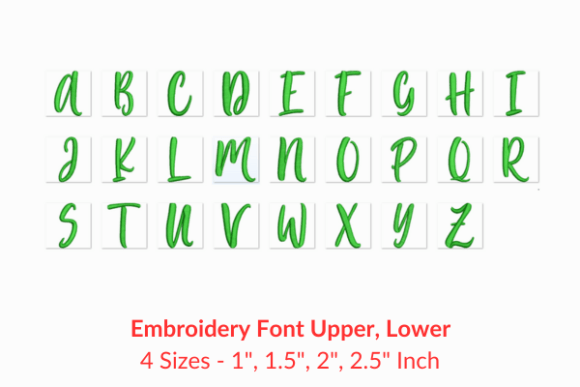
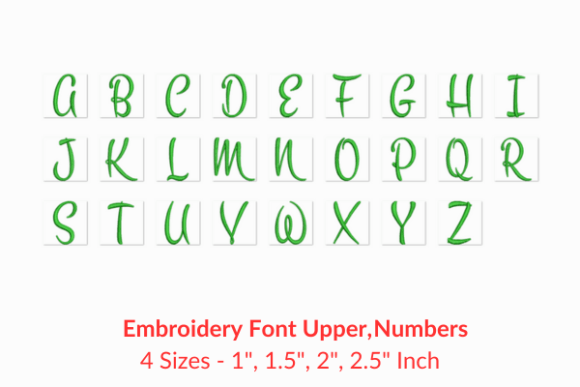
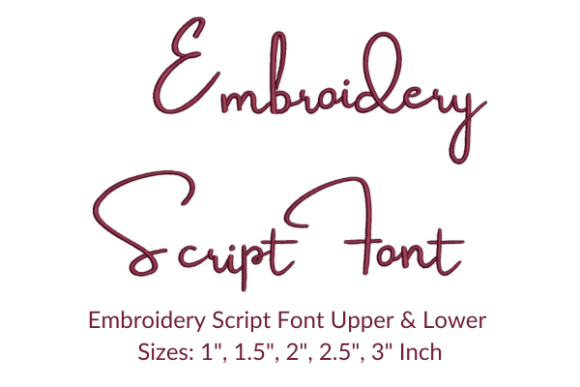
The moment I loaded the Billigant Font into my editing software, I noticed its inviting character. It does not scream for attention with overly complex flourishes, nor does it feel sterile and modern. Instead, it sits comfortably in a sweet spot that feels both classic and approachable. The lines are clean, suggesting a handmade quality that resonates deeply with customers looking for authentic, heartfelt items.
For those of us creating products for the School category or family-oriented markets, this aesthetic is crucial. The font exudes a gentle elegance that works equally well for a playful nursery item or a sophisticated wedding keepsake. It feels romantic without being frilly, and modern without being cold. This emotional appeal is what turns a simple embroidered name into a cherished memory.
Versatility Across Product Lines
One of the strongest assets of Billigant Font is its adaptability. In my testing phase, I visualized how this embroidery file would perform across various popular product types. Here is where I believe it shines brightest:
- Baby Embroidery: The soft curves of the letters make it ideal for baby blankets and onesies. It feels safe, tender, and loving, which is exactly what new parents want to see.
- Wedding Gifts: When stitched in silk or metallic threads, the font takes on a luxurious feel, perfect for monogrammed handkerchiefs or bridal robe hangers.
- Kitchen Linens: An embroidered towel or apron featuring this font looks professional yet homey. It adds a touch of customization that elevates a standard tea towel into a thoughtful housewarming present.
- Nursery Decor: On pillow covers or wall hangings, the clarity of the text ensures that names or birth dates are easily readable from a distance.
- Tote Bags and Aprons: For the everyday user, this font provides a clean, customized look that appeals to buyers seeking unique, small shop products.
Whether you are an Etsy seller looking to expand your digital embroidery file offerings or a craft fair vendor needing reliable designs for on-the-spot personalization, Billigant Font offers the flexibility needed to cover multiple niches.
Technical Considerations and Fabric Compatibility
While the visual appeal is strong, a professional designer must always consider the technical execution. Machine embroidery is as much about engineering as it is about art. Here are some practical notes from my review process regarding how Billigant Font interacts with different materials.
Fabric Texture and Stabilizer Choice
The performance of any embroidery file depends heavily on the fabric texture. On smooth cottons or linen blends, Billigant Font stitches out beautifully, with crisp edges and minimal puckering. However, when working with textured fabrics like thick terry cloth towels or fluffy fleece blankets, extra care is required. I recommend using a cut-away stabilizer for stretchy baby clothes to ensure the design remains stable after repeated washing. For woven fabrics like pillow covers, a tear-away stabilizer may suffice, but always test on scrap fabric first.
Stitch Density and Detail Preservation
One concern with smaller lettering in any font is the loss of detail. While Billigant Font is designed for clarity, I advise checking the stitch density settings in your software before hitting "start." If you are embroidering on dark fabric, ensure that your thread colors provide enough contrast. A light pastel thread on a navy blue blanket might look dreamy in a printable mockup, but in reality, the fine details of the font could get lost if the density is too low or the thread sheen is too subtle.
Additionally, be mindful of curved surfaces. Embroidering on a rounded baby hat or a stuffed toy requires careful hooping. Ensure the hoop size is appropriate for the length of the name or quote you intend to stitch. Crowding the letters can distort the shape of the font, reducing its elegant appeal.
Enhancing Giftability and Perceived Value
Why choose Billigant Font over other options? The answer lies in perceived value. In the world of handmade products, the finish of the embroidery directly impacts customer trust. A clean, well-digitized font signals quality. When a customer receives a custom embroidery piece where the letters are uniform and the spacing is balanced, they feel confident in the artisan’s skill.
This font enhances the emotional connection of the gift. Whether it is a date commemorating a wedding or a child’s name on a school bag, the readability and charm of the text make the message the focal point. For Etsy sellers, this translates to better buyer engagement. Clear, attractive product photography featuring Billigant Font on a cozy blanket or a crisp apron can significantly increase click-through rates.
Practical Steps Before Commercial Use
Before you integrate this design into your commercial embroidery workflow, there are essential steps to take. Since specific technical details like exact stitch count, file format compatibility, and precise license terms are not fully detailed in the brief description, you must verify these aspects yourself.
- Check Licensing: Confirm that the digital embroidery file includes a commercial license if you plan to sell finished products. This is critical for avoiding legal issues down the line.
- Test Stitch-Outs: Always run a test on the actual fabric you intend to use. Check how the thread colors interact with the material and adjust tension if necessary.
- Review Small Details: After stitching, inspect the inner parts of letters like 'e', 'a', and 'o'. Ensure they are open and clear, especially if you are scaling the design down for smaller items.
- Compare Mockups: Create both light and dark fabric mockups to show customers the versatility of the design. This helps them visualize the final product on their preferred item.
Final Thoughts for Makers and Sellers
In conclusion, Billigant Font is a strong contender for any designer’s library. It bridges the gap between playful and elegant, making it suitable for a wide range of personalized gifts. From baby embroidery to wedding keepsakes, it delivers a consistent, high-quality finish that enhances the handmade product experience. By paying attention to stabilizer choices, thread contrast, and fabric texture, you can ensure that every stitch reflects the professionalism your customers expect. For those looking to add a touch of warmth and clarity to their custom embroidery offerings, this font is certainly worth exploring.