Creative Letter C: A Designer’s Practical Review
As a designer who spends more time staring at stitch simulations than I do sleeping, I have learned that not all alphabet designs are created equal. Some are too dense for soft knits, others lack the structural integrity needed for caps, and many simply look like generic clipart once they hit the fabric. When I first loaded the Creative Letter C into my editing software, I was looking for that specific balance of whimsy and technical reliability. This is not just about aesthetics; it is about how a design performs when the needle hits the cloth.
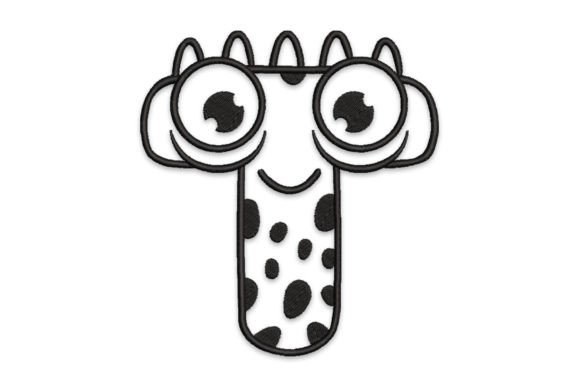
The initial impression of this machine embroidery design is inviting. It carries a playful energy that fits perfectly within the School category, yet it possesses enough stylistic flair to transcend simple classroom projects. For those of us running a craft business or selling on Etsy, finding a letter design that feels personal rather than industrial is a constant challenge. This design manages to bridge that gap, offering a charming visual personality that appeals to both children and adults looking for a touch of nostalgia in their custom apparel.
Real-World Application: The Tote Bag Test
To truly evaluate an embroidery file, you have to move beyond the screen. I recently used this design for a custom order involving canvas tote bags. The client wanted a set of personalized bags for a teacher appreciation gift. Here, the Creative Letter C shined. The layout of the letter allows for a robust stitch structure that holds up well on heavier fabrics like canvas or denim. Unlike thinner, more delicate fonts that can get lost in the weave of a tote bag, this design has enough visual weight to stand out.
The whimsical nature of the design adds a layer of warmth to the finished product. It does not feel stiff or corporate. Instead, it brings a handmade charm that increases the perceived value of the item. For an Etsy seller, this distinction is crucial. Customers are not just buying a bag; they are buying a feeling. The friendly curves and balanced proportions of this letter create an immediate emotional connection, making it an ideal choice for personalized gifts and boutique merchandise.
Fabric Compatibility and Stitch Performance
One of the most critical aspects of any embroidery project is how the design interacts with different fabric textures. I tested this design on a variety of materials, from crisp cotton tea towels to stretchy jersey knits for sweatshirts. On stable woven fabrics, the design stitches out cleanly with minimal puckering, provided you use the correct stabilizer. The stitch path seems logically ordered, reducing the number of jumps and trims, which speeds up production time—a vital factor for small shop owners managing multiple orders.
However, caution is advised when working with stretchy or thin fabrics. While the design is charming, its whimsical details require a stable foundation. If you are attempting sweatshirt embroidery on a lightweight fleece, I strongly recommend using a cut-away stabilizer to prevent the stitches from pulling the fabric out of shape over time. For baby embroidery items, such as onesies or burp cloths, ensure that the back of the stitching is soft against the skin. You might need to use a soft backing or cover the stitches with a light fusible interfacing if the density feels too rough for sensitive skin.
Navigating Challenging Surfaces
Curved surfaces present a unique set of challenges for any monogram. When I applied the Creative Letter C to a structured cap, the results were mixed but manageable. The key lies in hooping technique and stabilizer choice. Because the design has a certain fullness to it, it can distort slightly on the curved panel of a baseball cap if not hooped tightly and supported properly. For embroidered patch creation, however, this design is excellent. The clear outlines and defined edges make it easy to cut around, resulting in a professional-looking patch that can be ironed or sewn onto jackets and bags.
Dark fabrics also require attention to detail. The design’s visual appeal relies on its shape, so contrast is key. When stitching on black or navy fabrics, choose thread colors that pop. A bright yellow or white thread can make the whimsical elements of the letter sing, whereas low-contrast combinations might cause the details to blend into the background. Always test your color combinations on scrap fabric before committing to the final finished product.
Commercial Viability and Brand Consistency
For digital product sellers and creative entrepreneurs, the versatility of a design asset determines its long-term value. The Creative Letter C is not just a single-use item; it is a building block for brand consistency. Imagine using this letter across a range of products: kitchen towels, pillow covers, holiday ornaments, and even printable mockups for your online store. The consistent style helps build a recognizable aesthetic for your shop.
When creating holiday embroidery items, such as Christmas stockings or Easter baskets, this design’s playful tone fits seamlessly into seasonal themes. It does not clash with traditional motifs but rather adds a modern, handcrafted twist. For commercial embroidery projects, where durability and repeatability are paramount, this design holds up well under frequent washing, assuming proper care instructions are followed. This reliability builds customer trust, leading to repeat business and positive reviews.
Practical Designer Notes for Best Results
Before you dive into production, here are a few practical tips to ensure success with this design:
- Test on Scrap Fabric: Always run a test stitch-out on the same type of fabric you plan to use for the final item. This helps you identify any tension issues or puckering before you ruin expensive material.
- Check Stitch Density: Review the design in your software to understand the density. If it appears too dense for your specific fabric, consider resizing slightly or adjusting the pull compensation settings.
- Verify Hoop Size: Ensure the design fits comfortably within your hoop with adequate margin for stabilization. Do not crowd the edges.
- Contrast is Key: Use high-contrast thread colors to highlight the whimsical details, especially on textured or dark fabrics.
- Licensing Check: Always confirm the licensing terms provided with the digital embroidery file. Ensure you have the right to sell finished items if you are using this for commercial purposes.
- Mockup Testing: Create black and white mockups to check the silhouette of the design. If it reads well in monochrome, it will likely look good in color.
In conclusion, the Creative Letter C is a solid addition to any designer’s library. It offers a blend of charm and functionality that serves both hobbyists and professional makers. By understanding its strengths and limitations, you can leverage this design to create high-quality, engaging products that resonate with your customers. Whether you are crafting a single personalized gift or stocking your small shop with a new line of tote bag designs, this letter provides the whimsical touch needed to bring personality to any item.