Fairwater Number Font: A Designer’s Review
As an embroidery designer who spends countless hours digitizing and testing files for client projects, I have learned that not all fonts are created equal. Some look beautiful on a screen but turn into a tangled mess of thread on fabric. Others lack the personality needed to make a handmade product stand out in a crowded marketplace. Recently, I took a close look at Fairwater Number Font from Creative Fabrica to determine if it deserves a spot in my active design library. My goal was simple: evaluate whether this font could handle the rigors of real-world commercial embroidery, from custom apparel to delicate baby items.
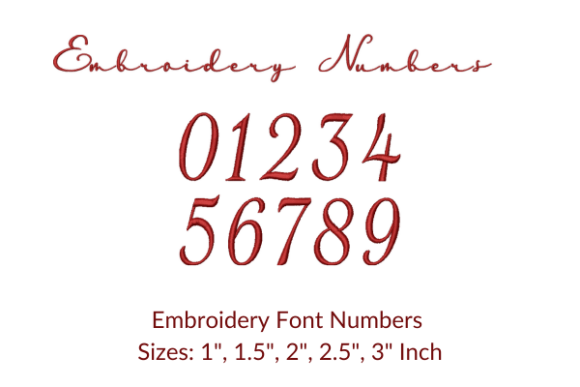
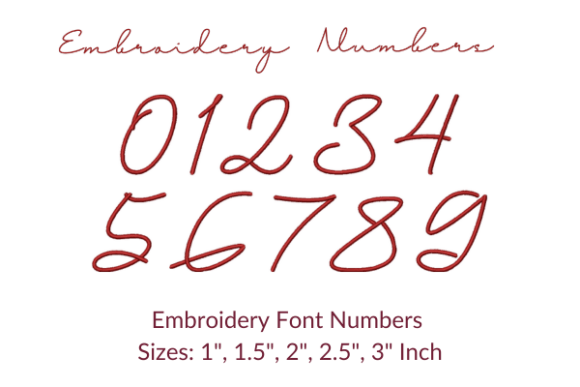
The first impression of Fairwater Number Font is one of understated elegance. In the world of machine embroidery, numbers are often overlooked in favor of elaborate alphabets, yet they play a crucial role in personalization. Whether it is a birth date on a nursery blanket, a jersey number on a sports cap, or a measurement on a kitchen apron, the numerals need to be legible, balanced, and aesthetically pleasing. This font offers a clean, classic structure that feels versatile enough for both modern minimalist designs and traditional School-themed projects. The visual mood is professional yet approachable, making it a strong candidate for designers who value consistency across their product lines.
Performance in Real-World Embroidery Projects
When considering a new digital embroidery file, I always ask myself where it will perform best. Fairwater Number Font shines in applications where clarity is paramount. I envisioned using this font for a variety of handmade products, starting with custom apparel. Imagine a high-quality sweatshirt embroidery project where a customer wants their lucky number or a significant year stitched on the sleeve. The clean lines of this font ensure that the numbers remain readable even from a distance, which is essential for athletic wear or team uniforms.
Beyond apparel, this font is exceptionally well-suited for home decor and accessories. For a tote bag design, simplicity is key. Overly complex fonts can get lost in the texture of canvas or cotton, but Fairwater maintains its integrity. I can easily picture these numbers stitched onto a heavy-duty tote for a teacher, perhaps paired with a simple apple motif, fitting perfectly into the School category of products. Similarly, for kitchen towels and aprons, where items are washed frequently, a font with moderate stitch density and clear definition is vital to prevent the design from looking muddy after multiple laundry cycles.
Another excellent application is in the realm of baby items and nursery decor. Parents love personalized gifts, and adding a birth weight or date to a baby blanket or pillow cover adds immense sentimental value. The gentle curves and balanced proportions of Fairwater Number Font make it soft enough for infant items without sacrificing legibility. It avoids the harsh, industrial look of some block fonts, offering a warmer, more inviting aesthetic that appeals to buyers looking for heartfelt, handmade gifts.
Technical Considerations for Stitching Success
While the visual appeal is strong, the technical execution is what determines whether a design is usable for a professional embroiderer. One of the primary concerns with any embroidery font is how it handles different hoop sizes and fabric types. Fairwater Number Font appears to be designed with versatility in mind, but as with any machine embroidery design, proper preparation is non-negotiable.
Stitch density is a critical factor. If the density is too high, the fabric may pucker, especially on stretchy materials like jersey knits used for t-shirts or caps. If it is too low, the backing fabric might show through, particularly on dark fabrics. Based on the preview images, the font seems to utilize a balanced mix of satin stitch and fill stitch techniques, which should provide good coverage without excessive bulk. However, I always recommend running a test stitch on scrap fabric before committing to a final product. This allows you to check the tension and ensure that the thread colors you have chosen provide sufficient contrast against the background material.
Working with curved surfaces, such as caps, presents unique challenges. The numbers need to be scaled appropriately to fit the curved panel without distortion. Fairwater Number Font’s straightforward geometry makes it easier to manipulate for these tricky surfaces compared to highly decorative scripts. When stitching on caps, using the correct stabilizer is essential to support the fabric and prevent shifting. A cut-away stabilizer is often recommended for structured caps to ensure the design remains crisp and durable over time.
For smaller applications, such as embroidered patches or tiny details on baby clothes, the minimum size recommendation is crucial. Tiny lettering can lose detail if stitched too small, resulting in a blob of thread rather than a distinct number. Designers should carefully review the size limits provided in the product details on Creative Fabrica. If the font is intended for larger hoops, scaling it down significantly for a small patch might require manual editing to adjust the stitch density and prevent overcrowding.
Enhancing Product Value and Brand Consistency
From a business perspective, the choice of font can significantly impact perceived value. Fairwater Number Font contributes to a polished, professional look that builds buyer trust. When customers see clean, well-executed embroidery, they associate it with quality craftsmanship. This is particularly important for Etsy sellers and boutique merchandise providers who rely on visual appeal to drive sales. A consistent typographic style across your product range helps establish brand identity. If you use Fairwater for your school-themed items, using it consistently for dates and numbers on other products creates a cohesive collection that feels thoughtfully curated.
Furthermore, this font enhances the giftability of your products. Personalized items are often purchased for special occasions, and the presentation matters. Clear, attractive numbers make the personalization feel special rather than an afterthought. This attention to detail can lead to better customer engagement and positive reviews, which are vital for growing a creative entrepreneurship venture. When creating printable mockups for your online store, the clean lines of this font render beautifully, allowing potential buyers to visualize the finished product clearly.
Practical Tips for Using Fairwater Number Font
To get the most out of this Creative Fabrica embroidery asset, consider the following practical steps:
- Test on Scrap Fabric: Always stitch a sample on the same type of fabric you plan to use for the final product. This helps you identify any issues with puckering or thread breaks.
- Check Thread Color Contrast: Ensure your thread color stands out against the fabric. For dark fabrics, consider using a lighter thread or adding an underlay to improve visibility.
- Review Stitch Density: If you notice excessive bulk, you may need to adjust the density settings in your embroidery software, provided the file format allows for editing.
- Confirm Hoop Size: Make sure the design fits within your machine’s hoop capabilities. Larger numbers may require repositioning or hooping techniques to accommodate the size.
- Use Proper Stabilizer: Select the right stabilizer for your fabric type. Cut-away for knits and tear-away for wovens are general rules, but always test for best results.
- Inspect Small Details: After stitching, examine the edges of the numbers. Clean edges indicate good tension and appropriate digitizing.
- Verify Licensing: Before selling finished products, confirm the license terms on the Creative Fabrica product page. Understanding whether you can use the design for commercial embroidery is essential for legal compliance.
In conclusion, Fairwater Number Font is a solid addition to any embroidery designer’s toolkit. Its versatility across various applications, from custom apparel to nursery decor, makes it a valuable asset for creating high-quality handmade products. By paying attention to technical details like stabilizer choice and stitch density, you can ensure that your finished products meet the high standards expected by today’s discerning customers. Whether you are an experienced pro or a growing craft entrepreneur, this font offers the reliability and aesthetic appeal needed to elevate your embroidery projects.