Old English Font: A Designer's Review for Real Projects
When I first loaded the Old English Font into my digitizing software to preview it for an upcoming client order, my immediate reaction was one of classic reliability. There is a specific weight and authority to this typeface that instantly signals tradition, quality, and permanence. As someone who spends hours staring at stitch maps and worrying about how a design will pull on a stretchy cotton blend, I look for fonts that not only look good on a screen but survive the reality of the machine. This review breaks down how this machine embroidery design performs when moved from a digital concept to a tangible, stitched finished product.
The Visual Personality and First Impressions
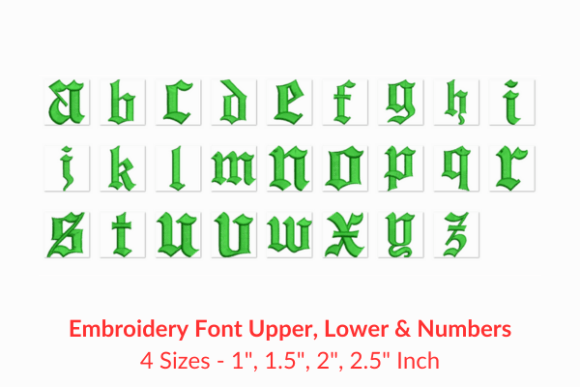
The mood created by the Old English Font is undeniably collegiate and heritage-focused. The sharp angles and heavy vertical strokes give it a bold presence that demands attention without being overly ornate. In the context of the School category, this font hits the mark perfectly. It evokes memories of university letterman jackets, historic library plaques, and traditional crest badges.
Visually, the layout of the letters suggests a high level of detail. The interplay between thick and thin lines is characteristic of blackletter styles, which can be tricky in Embroidery. If the digitizing is poor, those fine inner details can vanish under thread bulk or cause bird-nesting. However, upon close inspection of the stitch path, the flow seems logical. The design appears to utilize a combination of satin stitch for the outlines and potentially fill stitch for the heavier bodies of the letters, ensuring that the iconic shape remains crisp even at moderate sizes.
Real-World Application: The Custom Sweatshirt Test
To truly evaluate this embroidery file, I imagined a specific real-life scenario: a custom order for a local boutique needing personalized sweatshirt embroidery for a family reunion. The client wanted names on the back and a date on the sleeve. This is where the rubber meets the road.
For a project like this, the Old English Font shines because it adds perceived value. A simple sans-serif font might look cheap on a premium fleece, but this style elevates the garment, making it feel like official merchandise rather than a DIY craft. When stitched onto a medium-weight cotton blend, the density of the font provides excellent coverage. There is no risk of the fabric showing through the letters, which is crucial for maintaining a professional look on custom apparel.
I also considered how this would translate to a tote bag design. Canvas bags have a rougher fabric texture than sweatshirts. The robust nature of this font means it won't get lost in the weave of the canvas. Whether used for a personalized gift like a teacher's tote or a small shop product sold at a craft fair, the visual impact remains strong. The font's structure holds up well against the natural irregularities of woven materials.
Versatility Across Different Products
Beyond apparel and bags, this design has potential in various niches. For baby embroidery, such as on a nursery blanket or a christening gown, the font offers a timeless elegance. However, one must be cautious with scale. While beautiful, the intricate corners of Old English styles can be challenging on very small items.
For holiday embroidery, think of monogrammed stockings or table runners. The traditional vibe fits seamlessly with winter holidays and formal gatherings. If you are an Etsy seller looking to expand your catalog, offering this font on embroidered patch blanks could be a lucrative avenue. Patches allow for high-density stitching on a stable backing, letting the full detail of the font shine without the complications of sewing directly onto a finished garment.
Technical Considerations and Potential Pitfalls
While the aesthetic appeal is high, practical execution requires careful planning. The primary concern with any blackletter style is the stitch density in the tight corners and the cross-bars of the letters. If you are working with a thin fabric or a highly stretchy fabric like jersey knit, you must use a robust stabilizer. Without proper support, the heavy stitching of the Old English Font could cause the fabric to pucker or distort, ruining the straight lines that define the style.
Another critical factor is the hoop size. Although specific dimensions weren't provided in the base description, these fonts often require a larger hoop if you intend to stitch full names or long quotes. Trying to cram a long word into a small 4x4 hoop might force you to reduce the size too much, causing the delicate internal cuts of the letters to merge together. Always check the minimum recommended size before committing to a project.
Color choice is also paramount. This font relies on contrast. On a dark fabric, using a light thread color is essential to define the edges. Conversely, on white fabric, a deep navy or black thread works best. Avoid low-contrast combinations, as the complexity of the letterforms will become muddy and unreadable. I recommend testing the design in black and white mockups first to ensure the shape reads clearly regardless of color.
Advice for Commercial Use and Quality Control
If you are a craft business owner or a digital product seller, consistency is key to building customer trust. Before selling items featuring the Old English Font, you should run a test stitch-out on scrap fabric identical to your final product. Check for thread breaks, especially in the dense areas, and inspect the underside of the stitching to ensure there is no excessive buildup.
For those creating printable mockup assets or design assets for other makers, it is vital to confirm the licensing terms. The description notes this is a high-quality design for personalization, but commercial rights vary. Ensure you have the clearance to sell finished products or if the license restricts you to personal use only. This due diligence protects your brand reputation and prevents legal issues down the line.
Furthermore, consider the end-user experience. Products with this font, such as aprons or kitchen towels, may undergo frequent washing. High-density stitching is generally durable, but remind your customers to wash inside out to preserve the sharp edges of the letters. This small tip enhances the longevity of the handmade product and reflects well on your professionalism.
Final Verdict on Design Value
The Old English Font is a powerful tool in an embroiderer's arsenal. It bridges the gap between casual crafting and professional branding. Its strength lies in its ability to convey history and quality instantly. Whether you are decorating a cap, creating a wedding gift, or stocking your online store with boutique items, this font delivers a polished result.
However, it demands respect. It is not a "set it and forget it" design. It requires the operator to understand fabric behavior, stabilize correctly, and choose thread colors wisely. When treated with the care it deserves, the result is a stunning piece of commercial embroidery that stands out in a crowded market. For designers willing to pay attention to the details, this font is a reliable choice that enhances the visual appeal and perceived value of any project it touches.