Patchwork Letter F Review: A Versatile Asset for Small Business Branding
As an embroidery designer who has spent years digitizing logos and reviewing thousands of machine embroidery design files for commercial clients, I approach every new asset with a critical eye. It is not enough for a file to look pretty on a screen; it must perform under the needle, withstand industrial washing, and elevate a brand's identity. Today, I am reviewing the Patchwork Letter F, a digital embroidery file that promises to add a stylish accent to home decor, outfits, and accessories. While its product category lists "School," my assessment focuses on its viability for small business merch, boutique branding, and custom apparel applications.
First Impressions: Visual Personality and Brand Fit
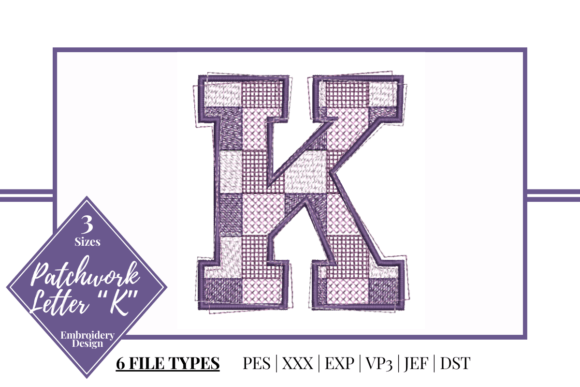
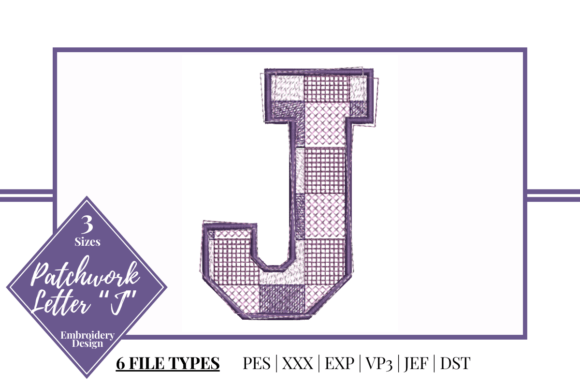
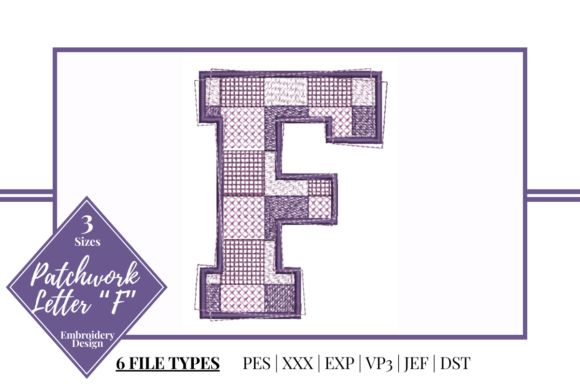
The moment you load the Patchwork Letter F into your editing software, the aesthetic intent becomes clear. The term "patchwork" suggests a layered, textured appearance that mimics the look of appliqué or mixed-media textiles without necessarily requiring complex multi-step hooping. This design feels inherently handmade yet structured enough for professional use. It strikes a balance between rustic charm and modern boldness, making it an excellent candidate for businesses that want to project warmth and authenticity.
For a local café, a florist, or a creative studio, this letterform offers a friendly but distinct visual hook. Unlike stark, minimalist sans-serif fonts that can feel cold, the patchwork style implies craftsmanship. When considering brand identity, this design works exceptionally well for companies selling handmade product lines or those wishing to emphasize a "crafted with care" narrative. The ability to alter colors based on the embroidery thread colors put in your machine is a significant advantage, allowing for seamless integration into existing brand palettes without needing multiple file purchases.
Real-World Applications for Small Business Merch
In the realm of commercial embroidery, versatility is king. I evaluated how the Patchwork Letter F would perform across various substrates common in small business inventory. Here is where this design shines:
- Embroidered Patches: This is arguably the strongest use case. The patchwork aesthetic naturally lends itself to being produced as a standalone embroided patch. These can be ironed onto denim jackets, canvas tote bags, or backpacks as a premium add-on for customers.
- Staff Uniforms and Aprons: For a bakery or boutique, consistency is key. Using this design on apron embroidery creates a cohesive team look. The texture of the design adds depth to plain cotton or twill aprons, elevating them from basic workwear to branded assets.
- Cap Embroidery: Placing the letter on the front panel of a dad hat or trucker cap can serve as a subtle brand marker. However, the curvature of the cap requires careful attention to registration, which I will address in the technical notes.
- Tote Bag Design: Canvas totes are a staple for Etsy sellers and market vendors. The Patchwork Letter F provides a substantial visual weight that stands out against natural fabric textures, making it ideal for initial monograms or shop logos.
- Product Packaging Accents: Beyond apparel, this design can be stitched onto fabric tags attached to product packaging, adding a tactile element that enhances the unboxing experience.
Technical Considerations and Production Challenges
While the artistic potential is high, a professional review must address the technical realities of production. Not every design translates perfectly to every surface. When deploying the Patchwork Letter F, there are specific scenarios where caution is required.
First, consider the stitch density. Patchwork-style designs often rely on overlapping elements to create the illusion of layers. If the digitizing is too dense, the resulting stitch count may be high, leading to puckering on lightweight fabrics or stiffness on flexible items like caps. It is crucial to test the design on a scrap piece of your intended fabric before running a full production batch.
Second, size matters. If you intend to use this as a tiny sleeve detail or on a small collar tag, the intricate details of the "patchwork" effect might merge together. Small patch sizes can obscure the definition between color blocks, turning a stylish design into a muddy blob. I recommend maintaining a minimum size that preserves the separation of the visual elements.
Furthermore, fabric texture plays a massive role. On Terry cloth or heavy fleece, the underlying texture can interfere with the clean lines of the letter. Conversely, on dark uniforms, you must ensure your thread colors provide sufficient contrast. Since the description notes that colors can be altered, take the time to simulate the design in high-contrast combinations to ensure legibility from a distance.
Designer Notes for Successful Implementation
To ensure the finished product meets professional standards, I advise following this checklist before committing to a large run:
- Test in Black and White: Before selecting your brand colors, stitch the design using only black and white thread. This reveals the true structure and spacing of the design without the distraction of color.
- Verify Hoop Size: Confirm the required hoop size against your machine's capabilities, especially if you are working with smaller hoop frames for cap attachments.
- Stabilizer Selection: Given the likely layering in a patchwork design, use a robust stabilizer. A cut-away stabilizer is often safer than tear-away for items that will undergo frequent washing, ensuring the design does not distort over time.
- Create a Printable Mockup: Use a printable mockup to visualize how the Patchwork Letter F sits alongside other design assets in your brand kit. Does it clash with your primary logo, or does it complement it as a secondary mark?
- Check Commercial Licensing: Always confirm the licensing terms of the digital embroidery file. Ensure you have the rights to use the design for small business merch and resale purposes.
Impact on Customer Trust and Perceived Value
In today's market, consumers can instantly spot the difference between mass-produced heat transfers and genuine embroidery. Utilizing a well-executed design like the Patchwork Letter F signals quality. It tells the customer that the business invests in durable, tangible branding. This attention to detail fosters customer trust and increases the perceived value of the item.
Whether used as a subtle chest logo accent on a work shirt or a bold statement on a limited-edition tote, this design helps build visual consistency. When customers see the same distinctive "F" on your social media, your website, and their physical purchase, it reinforces brand recognition. For schools, the "School" category designation makes sense for team spirit wear, but for the entrepreneurial sector, it serves as a versatile monogram that feels both classic and contemporary.
Ultimately, the Patchwork Letter F is more than just a letter; it is a strategic tool for branding. By understanding its strengths in texture and its limitations regarding scale and density, embroidery professionals can leverage this file to create stunning, durable merchandise that drives engagement and sales. Just remember to check the specific file format and stitch count details provided by the vendor, as these technical specs are vital for optimizing your machine's performance.