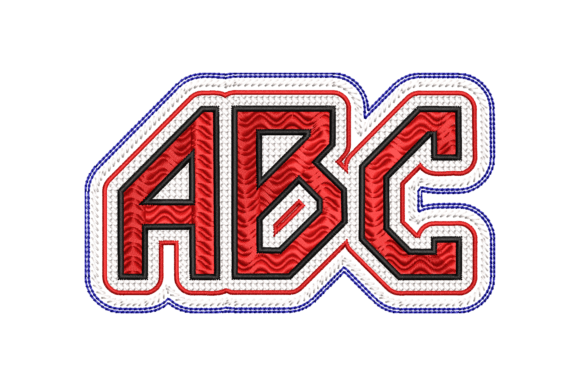
ABC Embroidery Review: A Professional Asset for Small Business Merch
As an embroidery designer who has spent years digitizing logos and reviewing files for commercial production, I approach every new machine embroidery design with a critical eye. It is not just about whether a pattern looks pretty on a screen; it is about how that digital embroidery file translates into a tangible asset for a brand. Today, I am reviewing ABC, a design positioned within the School category but possessing a versatility that extends far beyond the classroom. For small business owners, Etsy sellers, and apparel decorators, the question is always the same: will this elevate our brand identity and survive the rigors of daily wear?
First Impressions: Elegance Meets Commercial Viability
Upon loading the preview of ABC, the immediate impression is one of refined charm. The product description notes that this embroidery is an art form capable of adding elegance, and visually, the design delivers on this promise without feeling overly ornate. In the world of commercial embroidery, we often struggle to find designs that balance decorative flair with professional clarity. ABC manages to feel both handmade and polished. It avoids the cluttered look that often plagues complex digitized files, offering clean lines that suggest a premium quality.
For a boutique owner or a creative studio looking to brand their space, this aesthetic is gold. It does not scream "discount bin"; rather, it whispers "crafted with care." Whether you are running a local bakery, a florist shop, or a pet brand, the visual personality of ABC aligns well with businesses that value a personal touch. It feels friendly yet structured, making it an excellent candidate for customer-facing merchandise where first impressions dictate trust.
Real-World Application: From Patches to Uniforms
The true test of any embroidery file is its adaptability across different substrates and products. I envision ABC performing exceptionally well as an embroided patch. Because the design relies on clear forms rather than microscopic details, it would scale down effectively for a chest logo on a staff uniform or a sleeve detail on a work shirt. Imagine a café barista wearing an apron with ABC stitched near the pocket; it instantly transforms a standard garment into a piece of custom apparel that reinforces the shop's identity.
Beyond uniforms, this design shines in the realm of small business merch. For an Etsy seller creating limited-run tote bags, ABC offers a unique selling point. When applied as a tote bag design, the elegance mentioned in the description becomes a tactile experience for the customer. Furthermore, for event merchandise or customer gifts, using ABC on caps provides a subtle branding opportunity. Cap embroidery can be tricky due to the curved surface, but if the density is managed correctly, this design could serve as a sophisticated front-panel accent.
I also see potential for ABC in product packaging accents. Instead of a printed label, a small embroidered tag featuring this design on a handmade product adds significant perceived value. It turns a simple transaction into a memorable unboxing experience, fostering buyer engagement and loyalty.
Technical Considerations and Production Challenges
While the aesthetic appeal of ABC is high, a professional reviewer must address the technical realities of production. There are specific scenarios where this design requires careful handling. If you intend to use ABC for very small patches, you must verify the stitch density. High density in a small area can lead to puckering, especially on lighter fabrics. Similarly, if the design includes fine lettering or intricate outlines, these elements may lose definition when scaled down for a cap front or a narrow collar.
Fabric texture plays a massive role in the finished product. On textured materials like canvas towels or heavy denim, the elegance of ABC might get lost if the thread does not cover the weave adequately. Conversely, on dark uniforms, you must ensure there is sufficient contrast in the thread colors. A design that relies on subtlety might disappear against a black background unless underlay stitches are optimized. Additionally, for items that require frequent washing, such as staff aprons or gym shirts, the durability of the satin stitches versus fill stitches in ABC needs to be tested. Without proper stabilization, repeated laundering could cause the edges to fray or the design to warp.
Impact on Brand Identity and Customer Trust
In the competitive landscape of small business, consistency is key. Using a cohesive set of design assets helps build recognition. ABC contributes to this by offering a visual anchor that feels intentional. When a customer sees the same elegant motif on your website, your packaging, and your staff's clothing, it creates a sense of professionalism. This visual consistency builds trust; it tells the customer that you pay attention to details.
Moreover, the "handmade" vibe of ABC resonates with modern consumers who value authenticity over mass production. By incorporating this School-categorized design into a commercial context, you are essentially borrowing an aesthetic of tradition and learning, which can subtly imply that your business is established and knowledgeable. This psychological boost can enhance product value, allowing you to command higher price points for your handmade product lines.
Essential Designer Notes for Production
Before committing to a large production run with ABC, I strongly advise following these practical steps to ensure success:
- Test in Monochrome: Always stitch a sample in black and white first. This reveals the true structure of the design and highlights any spacing issues that color might hide.
- Verify Scalability: Check if the design holds up at the smallest size you intend to use, particularly for patch applications.
- Analyze Contrast: Review your thread colors against your specific fabric swatches to ensure the design pops rather than blends in.
- Confirm Hoop Requirements: Ensure your machine's hoop size accommodates the design dimensions without needing excessive re-hooping, which can cause alignment errors.
- Fabric Testing: Never skip testing on the actual fabric you plan to use. A design that looks great on cotton might fail on polyester blends.
- Stabilizer Selection: Choose the correct stabilizer based on the fabric weight and stretch to prevent distortion during stitching.
- Client Mockups: Create a printable mockup or a digital composite to show clients how ABC will look on their specific garments before stitching begins.
- Asset Comparison: Place ABC beside your existing logo and branding elements to ensure visual harmony.
- Licensing Verification: Most importantly, confirm the commercial licensing terms. Since the provided description does not explicitly state license limits, you must verify that the file allows for unlimited sales of finished goods before using it for commercial embroidery projects.
In conclusion, ABC is a promising addition to any embroiderer's library. While it falls under the School category, its application for Embroidery in the small business sector is vast. With proper testing and attention to technical details, it can transform simple fabrics into powerful branding tools. Just remember to validate the specific file specifications—such as exact stitch count and format—directly with the vendor, as these details were not included in the initial overview. Once verified, ABC is ready to help your brand stand out with elegance and charm.