Retro Floral Teacher: A Designer's Review for Small Business Merch
As an embroidery designer who has spent years digitizing and testing files for commercial use, I approach every new machine embroidery design with a critical eye. It is not just about whether a pattern looks pretty on a screen; it is about how that digital embroidery file translates into a tangible asset for a brand. Today, I am reviewing the Retro Floral Teacher design, specifically evaluating its potential for small business merchandise, branded patches, and professional apparel.
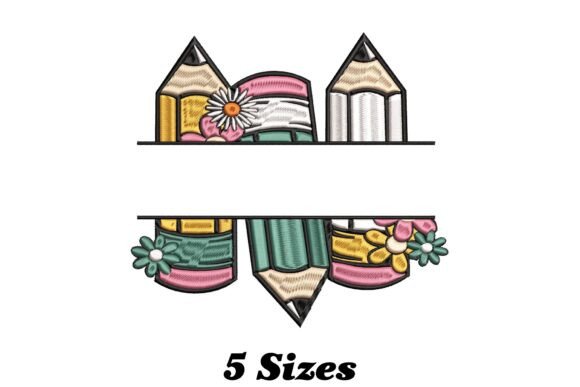
The first impression of Retro Floral Teacher is one of whimsical charm mixed with a nostalgic aesthetic. Based on the product description, which promises to "bring a bit of charm to your fabrics," this design leans heavily into a playful, handmade vibe. For businesses in the School category or creative sectors like bakeries, florists, and boutique studios, this visual personality is gold. It feels friendly and approachable rather than corporate or sterile. However, for a professional reviewer, the question remains: does this playfulness hold up under the scrutiny of commercial production?
Evaluating Visual Personality and Brand Fit
When considering brand identity, the retro floral motif offers a distinct advantage for businesses wanting to project warmth and creativity. Unlike generic geometric logos, a floral design suggests growth, care, and organic quality. For a local café or a pet brand, using Retro Floral Teacher as a chest logo accent or a sleeve detail can soften the brand image, making it more inviting to customers. The "Teacher" aspect of the title implies an educational or nurturing element, making it exceptionally suitable for daycare centers, art studios, or any service-based business that prides itself on guidance and community.
In terms of small business merch, this design shines as a differentiator. On a plain tote bag or a standard work shirt, this embroidery adds immediate value. It transforms a basic item into a handmade product feel, even if produced via machine. Customers often perceive embroidered items as higher quality than printed ones, and the texture of the stitches in a floral design enhances that perception of premium craftsmanship.
Real-World Applications for Commercial Embroidery
Let us discuss where Retro Floral Teacher performs best in a real business scenario. The versatility mentioned in the description—suitable for t-shirts, towels, and home decor—opens several doors for commercial embroidery projects.
- Embroidered Patches: This is perhaps the strongest use case. Creating a run of iron-on or velcro-backed patches allows a business to apply the design to various surfaces without committing to direct stitching on every item. It works beautifully as a brand mark on denim jackets or canvas bags.
- Staff Uniforms and Aprons: For a bakery or flower shop, apron embroidery featuring this design adds a touch of personality to the staff uniform. It breaks up the monotony of solid colors and serves as a conversation starter with customers.
- Cap Embroidery: Placing this design on the front or side of a baseball cap can be effective, provided the stitch count and density are appropriate for the curved surface of the crown.
- Tote Bag Design: Canvas totes are a staple for retail shops. A central floral embroidery acts as a permanent logo that does not crack or fade like screen printing might over time.
Furthermore, for Etsy sellers and craft business owners, this design can serve as a key element in custom apparel lines. It can be the focal point of a limited-edition teacher appreciation collection or a spring-themed release, driving buyer engagement through its seasonal and thematic relevance.
Critical Considerations for Production Quality
While the aesthetic appeal is high, a professional review must address the technical challenges. Not every design works well in every context. When deploying Retro Floral Teacher, there are specific areas where caution is required to ensure the finished product meets professional standards.
First, consider the size. If you intend to use this as a small patch or a subtle pocket logo, you must verify the stitch density. High-density floral designs can become a solid mass of thread if scaled down too far, losing the delicate details that make them charming. Tiny lettering, if included in the design file, may become illegible at smaller sizes. Always request a printable mockup or run a test stitch-out at the intended size before committing to a large production run.
Second, fabric texture plays a crucial role. This design likely features detailed outlines and varied thread directions. On textured fabrics like pique polo shirts or heavy canvas, the stitches need to bridge the gaps in the weave effectively. Without the proper stabilizer, the design could pucker or distort, ruining the professional look. Dark uniforms also pose a challenge; ensure the thread colors selected offer enough contrast against the base fabric so the floral elements do not get lost in the shadows.
Additionally, items that require frequent washing, such as staff t-shirts or kitchen towels, demand robust stitching. Check if the design includes sufficient underlay and securing stitches to withstand industrial laundering. If the design feels too delicate, it might be better reserved for decorative home decor or low-wear items like wall hangings.
Impact on Customer Trust and Product Value
Ultimately, the choice of embroidery design affects customer trust. A sloppy or poorly executed embroidery job can signal a lack of attention to detail, whereas a crisp, well-placed Retro Floral Teacher motif signals quality. Consistency is key. If you use this design across your design assets—from your website imagery to your physical packaging accents—it creates visual consistency that helps customers recognize your brand instantly.
For handmade brands, the "imperfect" charm of a retro floral style can actually enhance the perception of authenticity. It tells the customer that a human touch was involved in the creation process, even if a machine did the stitching. This emotional connection can increase the perceived value of the product, allowing businesses to command higher price points for their merchandise.
Practical Notes for the Embroidery Professional
Before integrating Retro Floral Teacher into your inventory or client projects, I recommend following these practical steps to ensure success:
- Test in Black and White: Before selecting vibrant threads, stitch a sample in black and white to check the contrast and definition of the shapes. This reveals if the design relies too heavily on color to distinguish elements.
- Verify Hoop Size: Confirm the required hoop size matches your machine's capabilities. Do not attempt to force a large design into a small hoop by re-hooping, as this leads to alignment issues.
- Check Licensing: Since this is for business use, confirm the commercial licensing terms. Ensure you have the right to sell items featuring this embroidery file to third parties.
- Review File Formats: The product description does not specify exact file formats or stitch counts. Always check these details before production to ensure compatibility with your specific embroidery software and hardware.
- Create Client Mockups: If working with a client, present a digital mockup alongside a physical sample. Seeing the design on the actual fabric type builds confidence and prevents disputes later.
In conclusion, Retro Floral Teacher is a promising asset for businesses looking to inject personality into their merchandise. Its playful nature fits perfectly within the School and creative industries, offering a blend of nostalgia and professionalism. However, its success depends entirely on thoughtful application. By respecting the limitations of stitch density, fabric choice, and sizing, embroidery professionals can leverage this design to create stunning, high-value products that resonate with customers and elevate brand identity.